Teachify
A Social Emotional Learning card game for teachers workshops.
My thesis deliverable is a card game for Elementary school teachers called “Teachify”. It is a workshop activity meant to help and guide teachers in Professional development workshops. It equips teachers with tools to develop engaging creative learning lessons to help students grasp Social emotional learning.
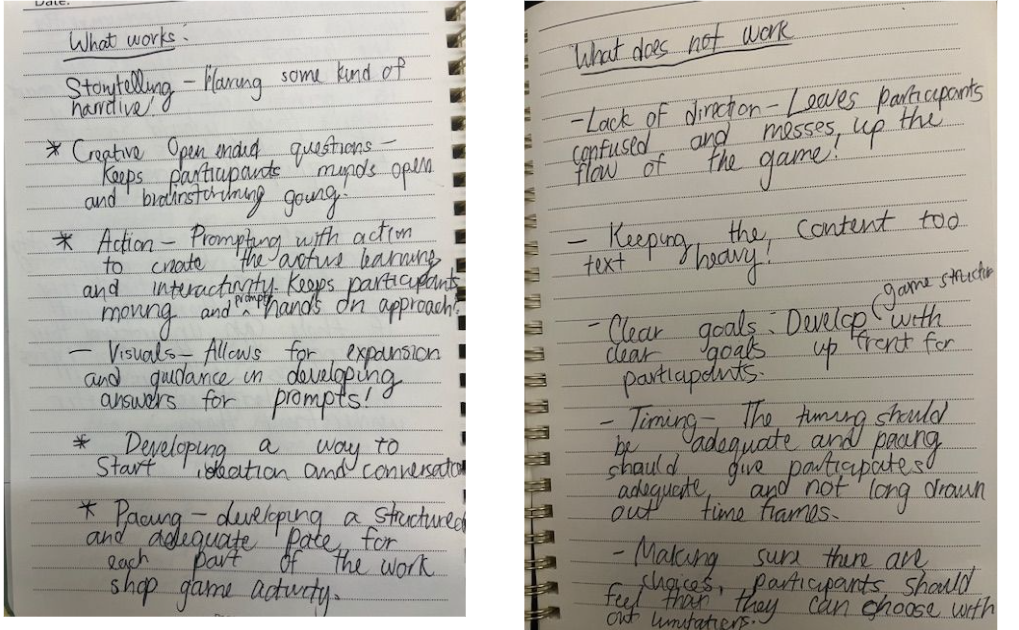
The Context: There has been research that has linked poor academic performance for students to emotional dysregulation. To better help students express and regulate their emotions and create better academic outcomes, NYC Public School teachers have been given curriculum that centers Social Emotional Learning and lessons that call for engaging creative learning activities. However, teachers are challenged with tailoring lessons in a way that is engaging for students.
The need to implement active learning for teachers: While interviewing elementary school educators, a key insight was that many educators expressed that they needed better resources to develop creative learning activities that really target student interest and experiences. Many teachers in attending Professional development for guidance for developing lessons have faced the issue of the lack of an engaging material and lack of space to give teachers to work through teaching strategies and lesson development through active learning. Most Professional Development workshops consists of lectures that teachers just sit and listen to.
Active learning for educators: Like students, teachers need hands on and engaging activities that support their growth as educators and enables them to investigate new strategies for teaching and implementing creative and engaging lessons for their students.
What makes Teachify special?: Teachify brings impact by giving educators the opportunity to engage in a Professional Development workshop activity that pushes for teachers to participate active learning (away from the traditional PD workshop structure), as well as collaborate and develop innovative approaches to implementing engaging creative learning lessons and activities in the topic of Social Emotional learning or SEL for students.
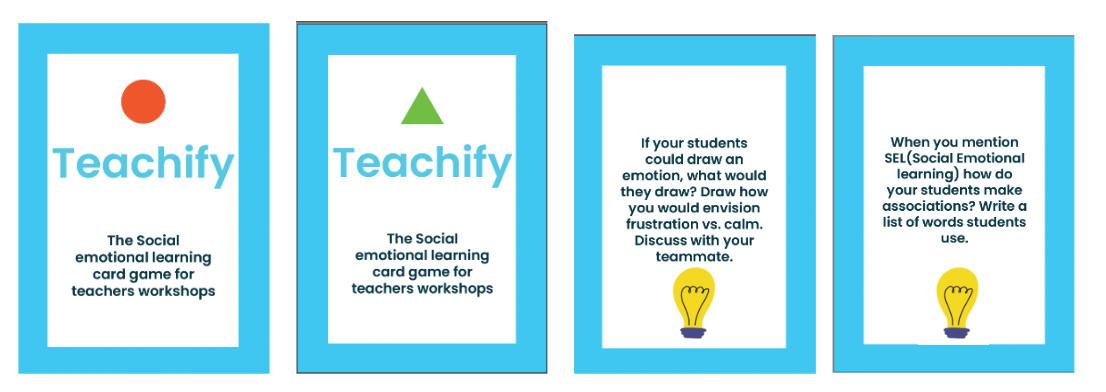
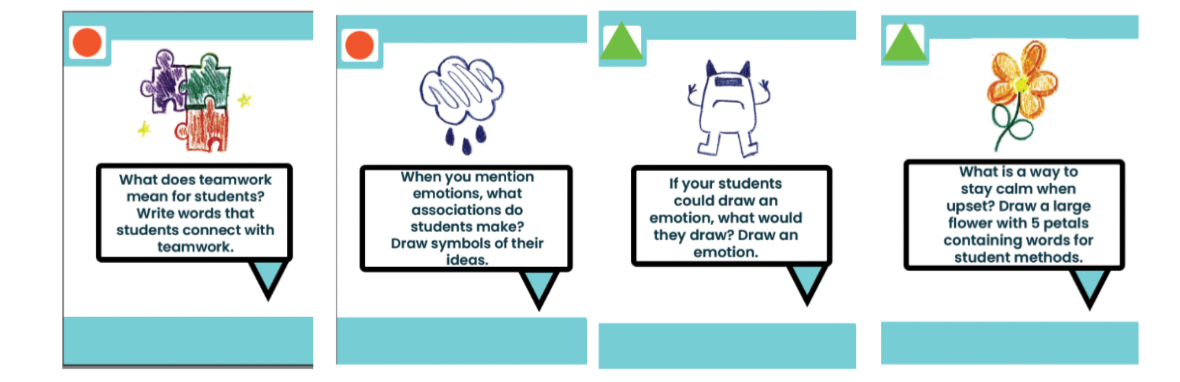
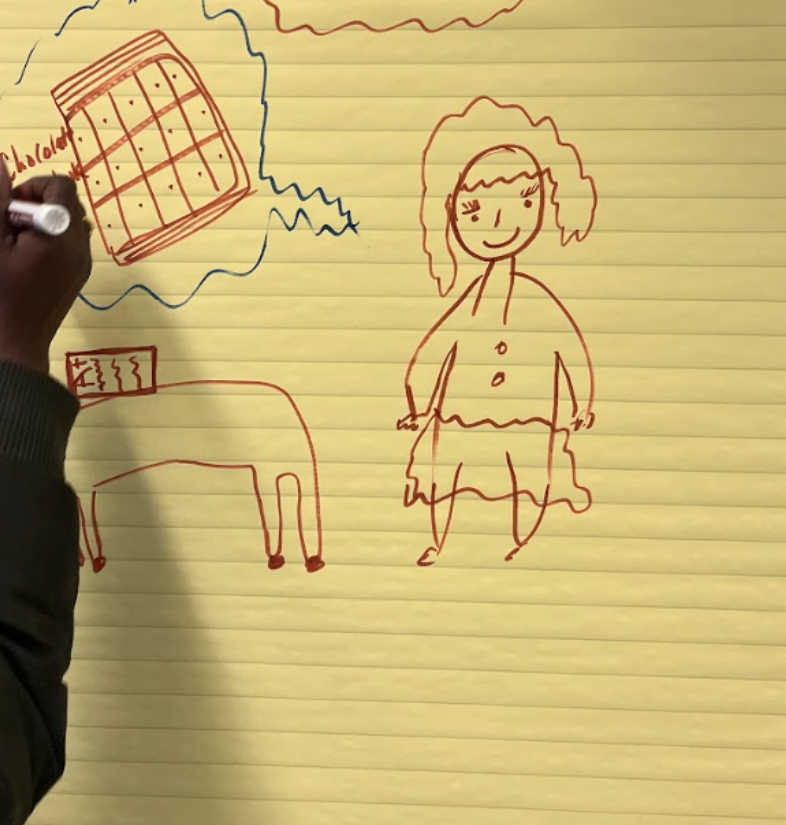
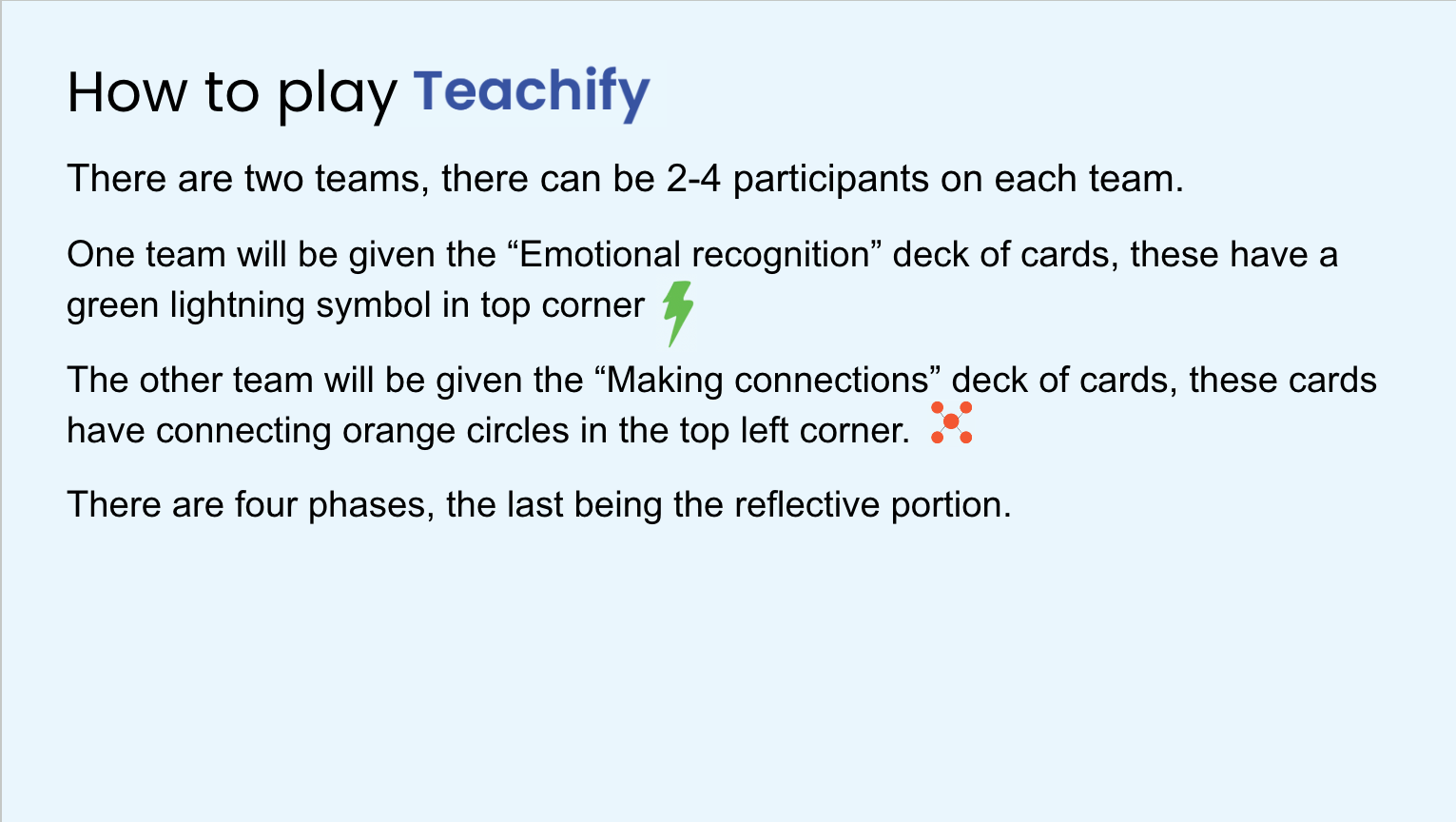
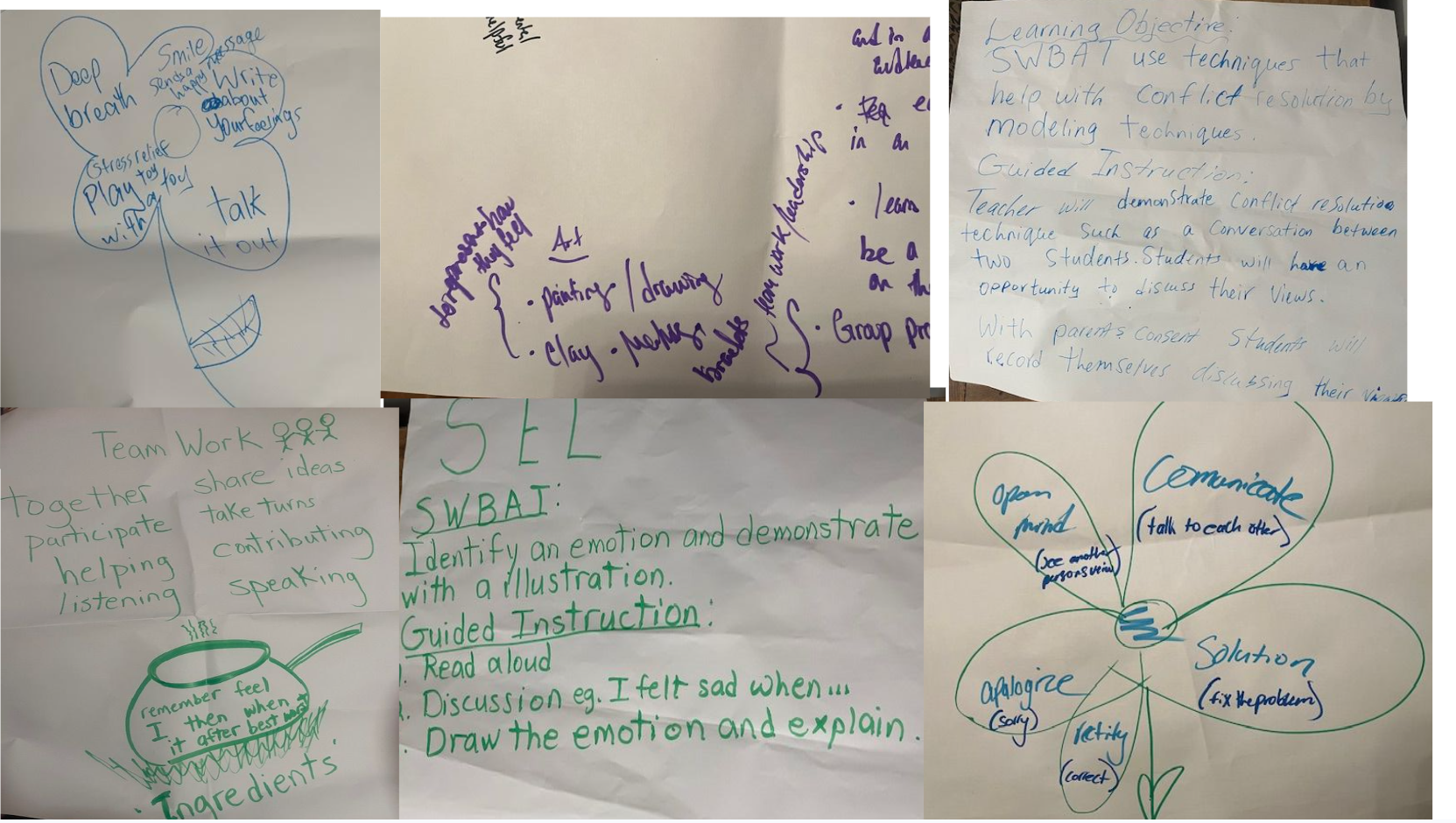
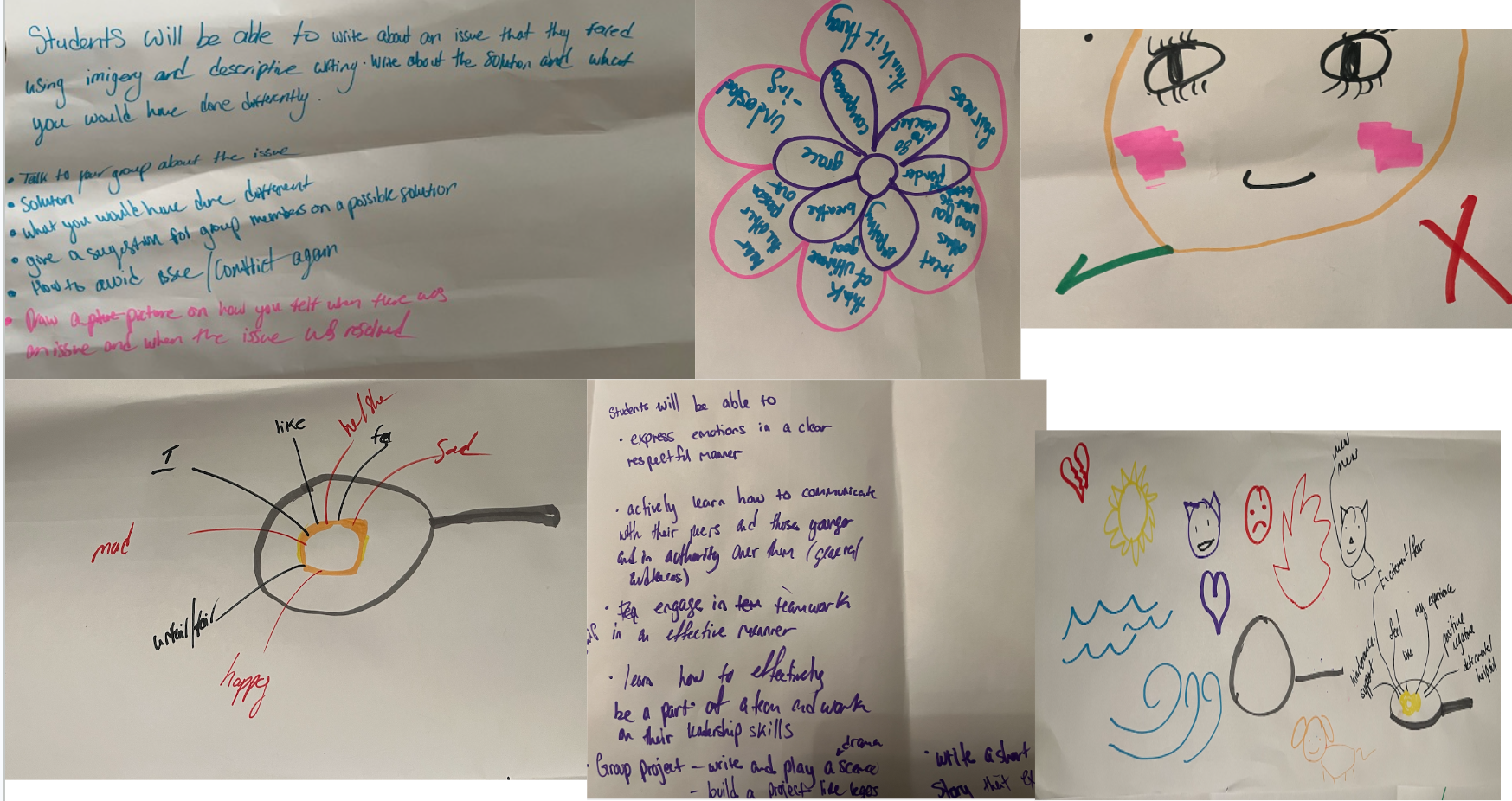
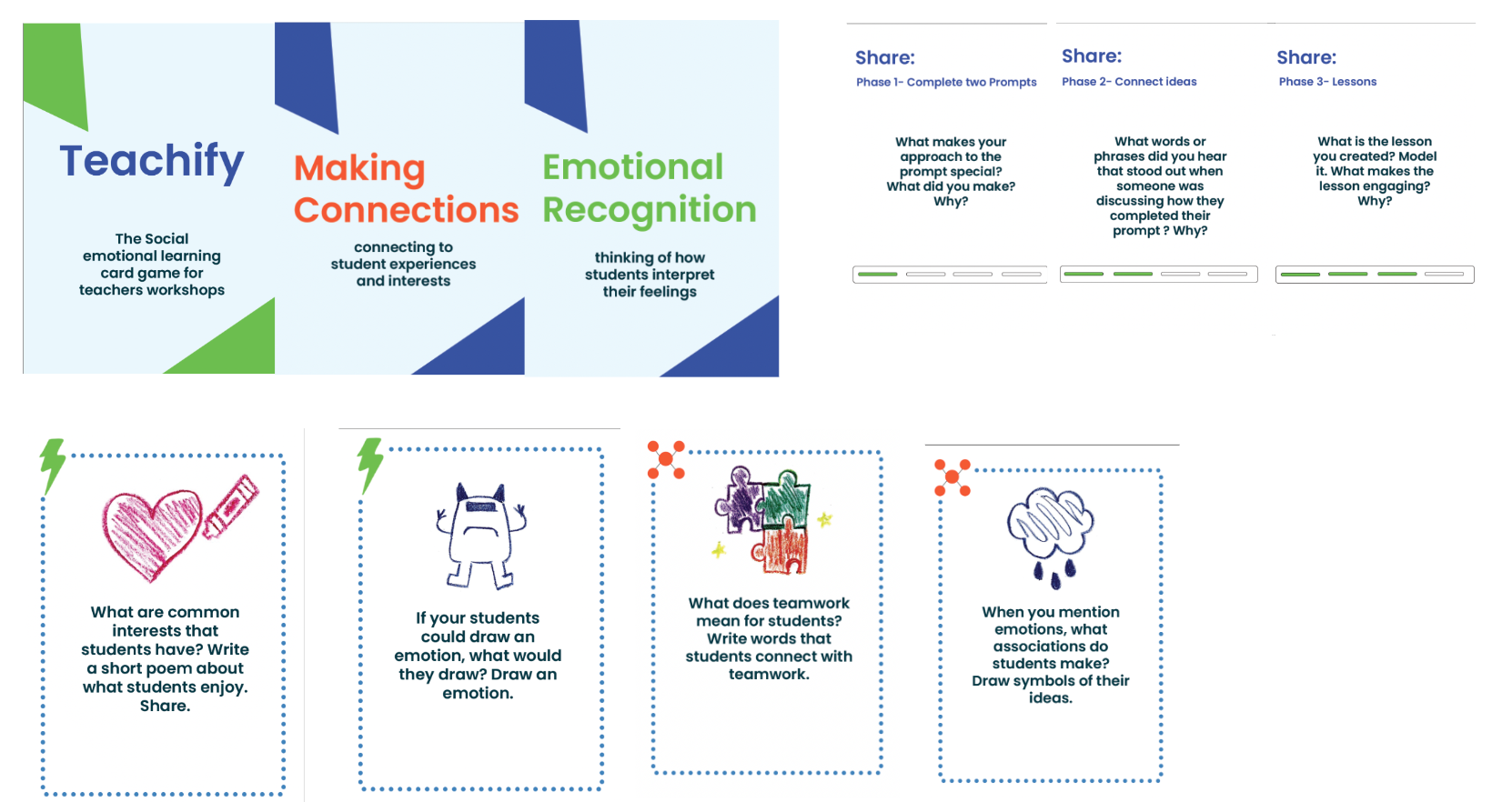
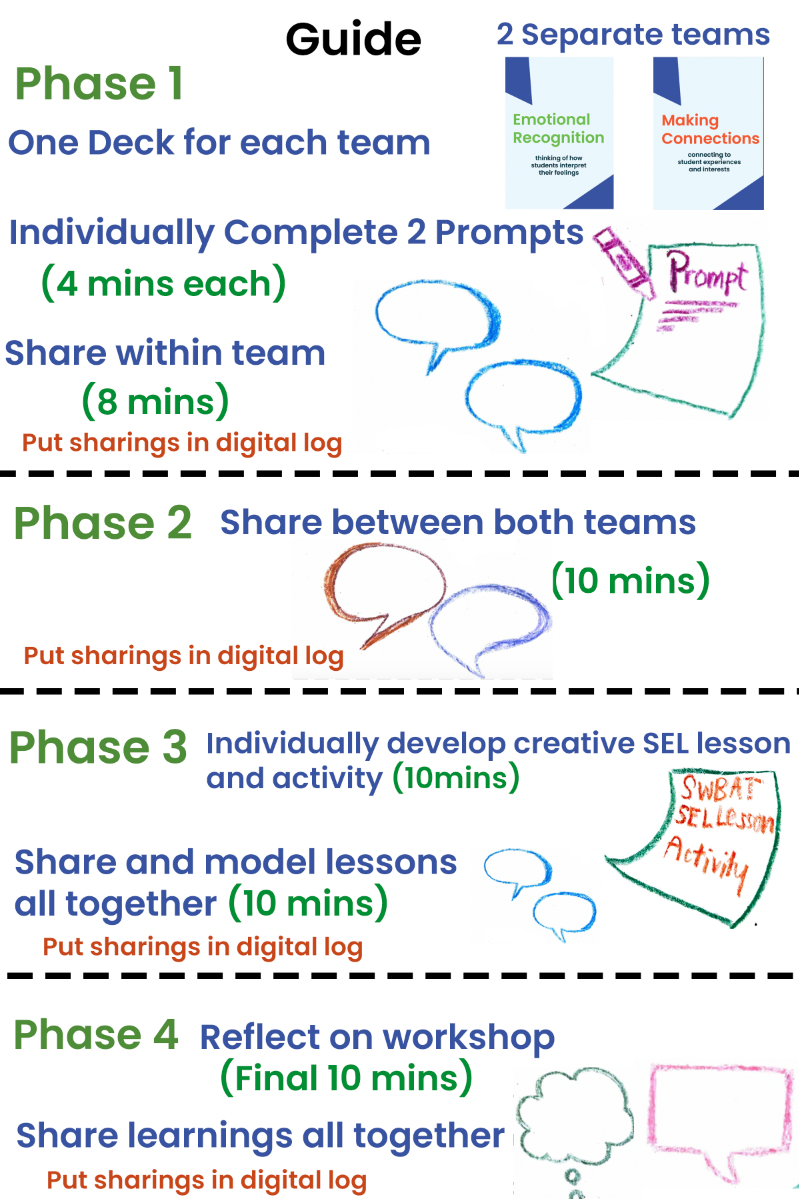
Phase 1- Two teams, one team gets the “emotional recognition card” deck the other team “making connections”. The team works individually on two prompts (4 mins each).
Share Out (Phase 1)- When the second prompt is done, team members of the same team will share with each other. (8 minutes)
Phase 2- Collaboration between both teams: Share Out (Phase 2)- After the 8 min share out within individual teams, the teams will come together to form one and discuss the ideas, and phrases that came up while doing the prompts.(10mins)
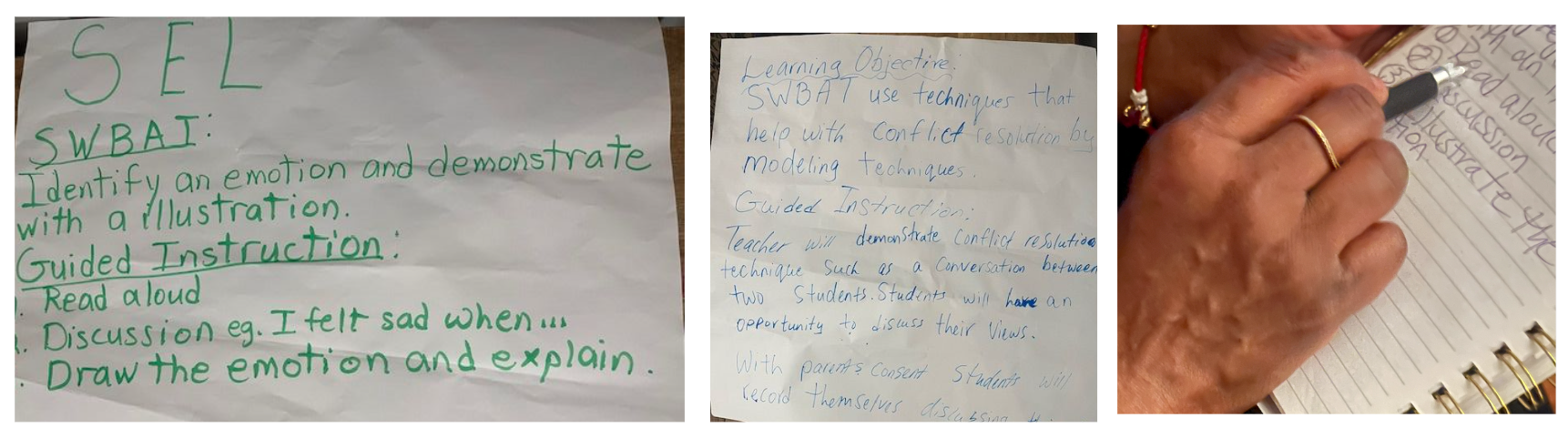
Phase 3- Developing a SEL Creative Learning Lesson and activity for students: Individually participants will develop a SWBAT(Students will be able to) statement and a creative lesson and activity for students. (6 mins)
Share Out (Phase 3)-All together, everyone share and give feedback on lessons. Model lessons for one another. (10mins)
Phase 4- Reflection: After this is over, the facilitator will have teams discuss their learnings and common themes in responses in prompts. As well as opportunities for engaging class lessons that encourage student interest and connections (last 10 mins).
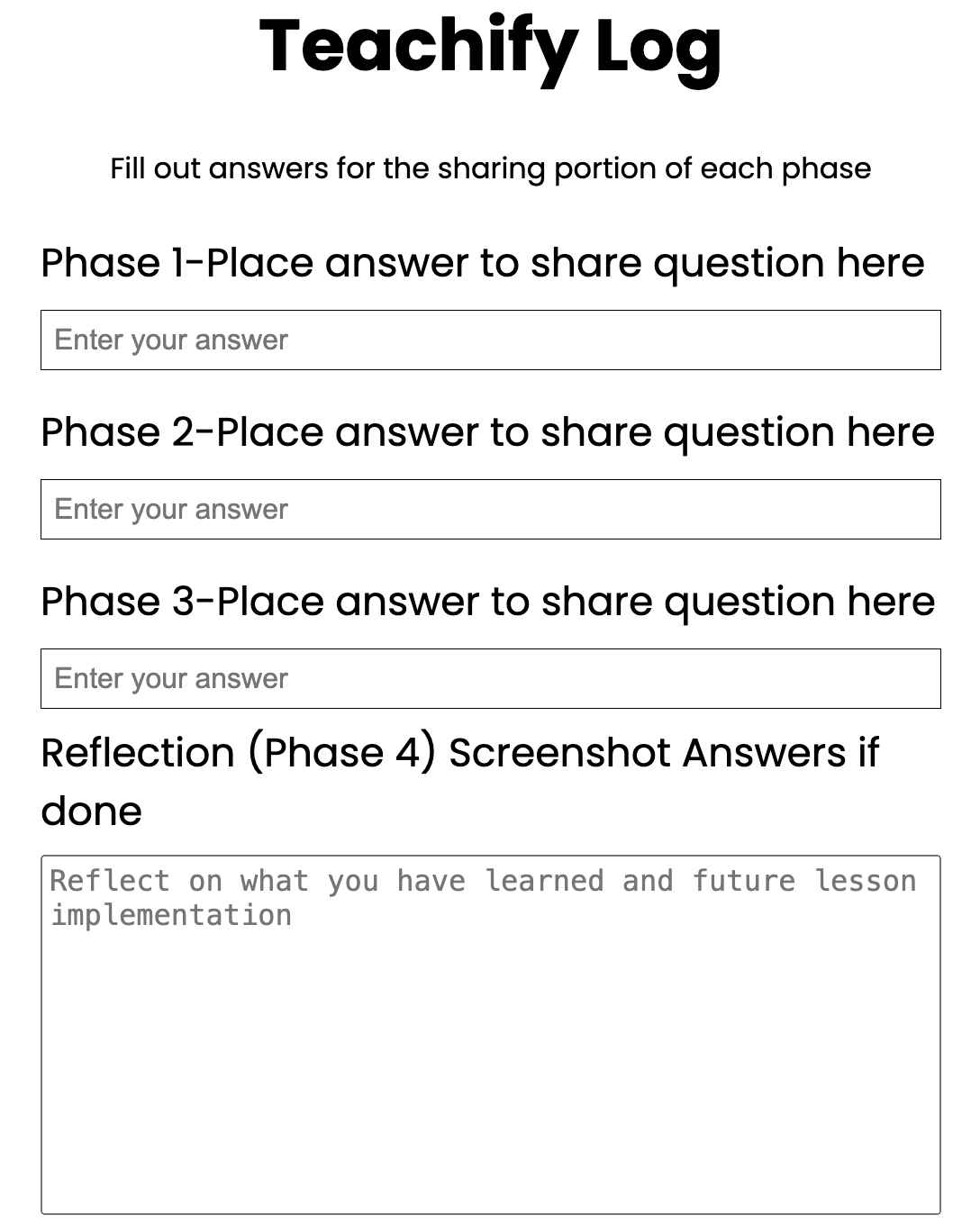
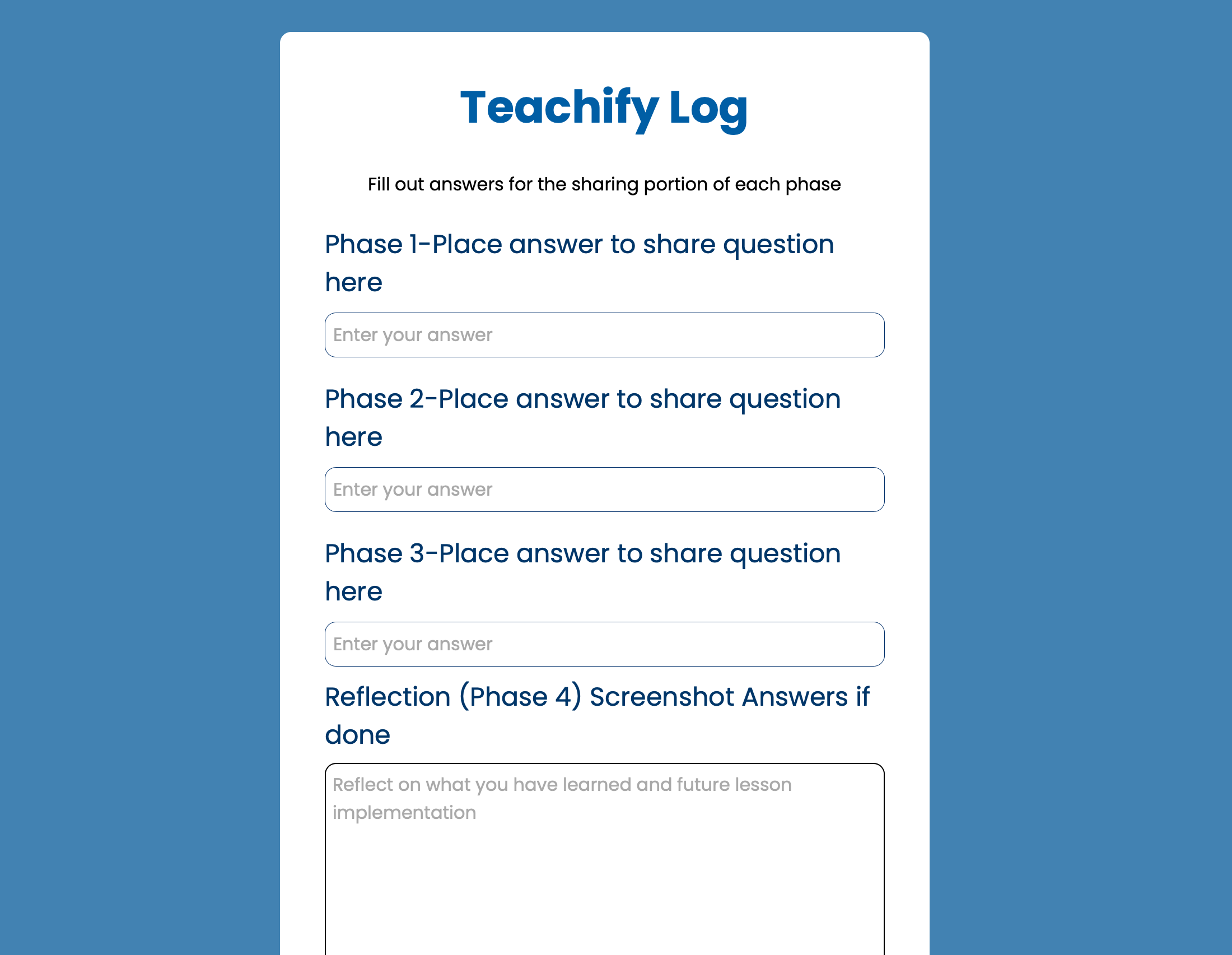
Digital Log: Teachers will use a digital log to write in their learnings and reflections during discussing at the share portion of each phase.
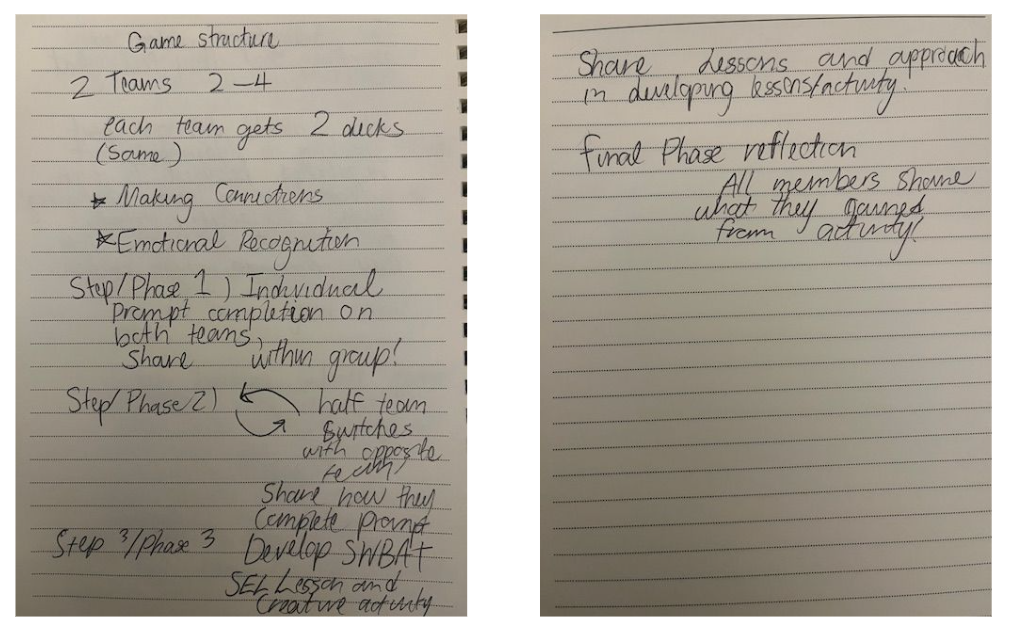
Developing a game structure: When developing the game structure for the workshop I thought about ways to have a card game that allows for participants to have an anchor point that guides ideation and prompting for collaboration. I started off knowing that I wanted to develop a card game workshop activity that enables teachers to begin with a prompt, develop visuals and writing to complete the prompt, have conversation and develop a creative sel lesson and activity, as well as a final reflection. I started off with a game structure that had the participation of 2 teams and each team getting two of the same decks. Making connections and Emotional Recognition which are the main focuses in SEL.
Game Structure: I made 4 phases- Individual prompt completion on both teams, sharing in the same individual teams, then the 2nd phase where half of the participants on both teams go to the opposite teams and share how the complete their prompts and their thoughts, the third phase where individuals on both teams independently develop the swbat statement an SEL creative learning lesson and activity, a sharing portion where all individuals of both teams share, and finally a ending reflection where all members share what they took away from the activity. I also added times.
Digital Log: This digital log was developed to be functional and straightforward, where participants can enter texts in editable fields, and at the end take screenshots of their sharings and ideas to utilize after the workshop is over. I started off with a basic white webpage and developed editable text fields with a blue background and bold test that lists where to describe sharings in each phase.
Digital Log
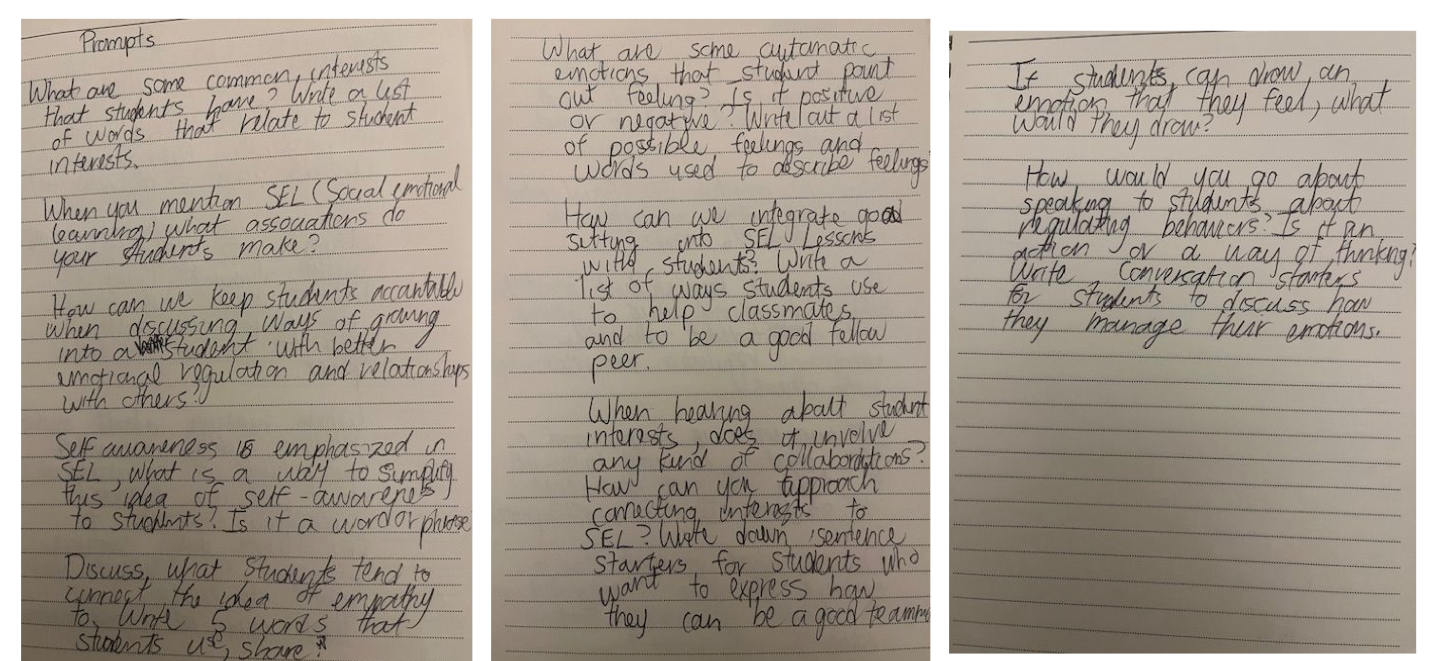
Developing Prompts: Looking at New York City curriculum, I develop several ideas of prompts based on the main focuses of emotional recognition and making connections within SEL. I carefully picked the prompts that where most connected to these main aspects of SEL.
1st Version
2nd Version
Final Version
Designing the cards: I had iterations of the card visuals in three different forms. I knew that I wanted to use the standard game card of 2.5x 3.5 inches and wanted the card to have a standard, but uplifting and fun look. I also wanted to have the tactility of a standard smooth card. I started off with card designs that were very text heavy and developed something more visually interesting and where there was more emphasis on imagery to guide teachers in completing the prompts as well as action cards for each phase. I also established a stronger design iconography and system.
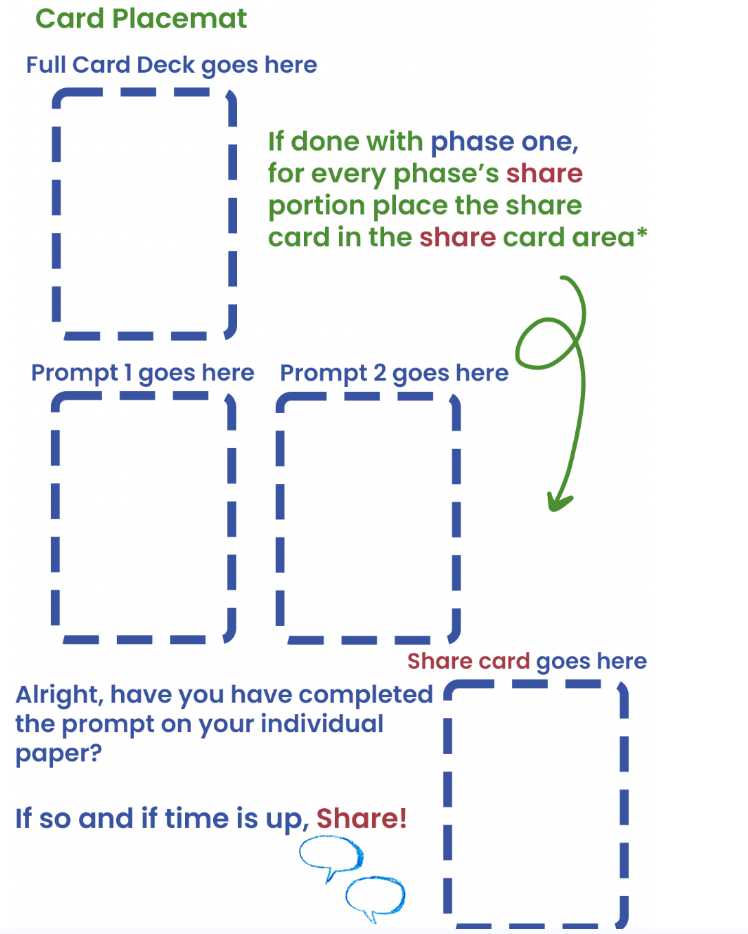
Reactions and Further Development: I gained insights from feedback an the main pain points I had collected was the need for time adjustments. As well as having a point of the phase 3 SWBAT statement and SEL creative learning lesson activity creation where teachers could have time to actively model. There was also a need to have some kind of visual rather than just written instructions to guide participants. As well as a way to keep the cards organized. I made these adjustments to the project. I developed a visual guide as well as a placemat.
Visual Guide
Card Placemat